Economic development does not happen in isolation. It is the result of shared vision, consistent leadership, and strong collaboration among multiple stakeholders working toward a common goal: building a resilient and competitive regional ecosystem. With this perspective, the Mexicali EDC Annual Results Report served as an important platform to recognize individuals who have become true pillars of Mexicali’s economic development.
Beyond presenting progress and achievements, the event highlighted the impact of leaders and institutions whose ongoing efforts continue to strengthen Mexicali’s industrial landscape.
Collaboration as a Driver of Regional Growth
One of the key takeaways from this recognition is that Mexicali’s economic and industrial growth is driven by collaboration across clusters, industry, academia, and economic development organizations. Each sector contributes unique capabilities and resources that, when aligned, generate greater long-term impact.
Recognizing leaders from diverse sectors underscores how cross-sector collaboration supports investment attraction, job creation, supply chain development, and specialized talent formation.
Leadership from Industrial Clusters
Industrial clusters play a strategic role in connecting companies, institutions, and talent within key sectors. The leadership of Rosa Castañeda, from the Baja California Medical Device Cluster, and Sergio Pérez Torreslara, from the Baja California Aerospace Cluster, was highlighted for their contributions to advancing high-technology industries.
Their work has been instrumental in promoting innovation, strengthening competitiveness, and positioning Baja California as an attractive region for specialized, high-value industries.
Industry Commitment as an Ecosystem Engine
Economic development is not possible without the active participation of industry leaders. The involvement of companies such as PACCAR México, Honeywell, and Garrett – Advancing Motion reflects the critical role that the private sector plays in Mexicali’s industrial ecosystem.
These organizations contribute not only through investment and job creation, but also by fostering best practices, knowledge transfer, supplier development, and collaboration with academic and public institutions.
Alignment with Public Sector and Economic Development Institutions
A strong ecosystem also depends on effective coordination with the public sector and economic development organizations. The contributions of Cynthia Ramírez Quintero from the Mexicali Development Council, Rodolfo Andrade from the Secretariat of Economy and Innovation, and Karina Noyola from Mexicali EDC were recognized for their role in aligning public policy, investment promotion, and regional development strategies.
Their efforts help create an environment that supports competitiveness and sustainable growth.
Academia and Talent Development: Building the Future
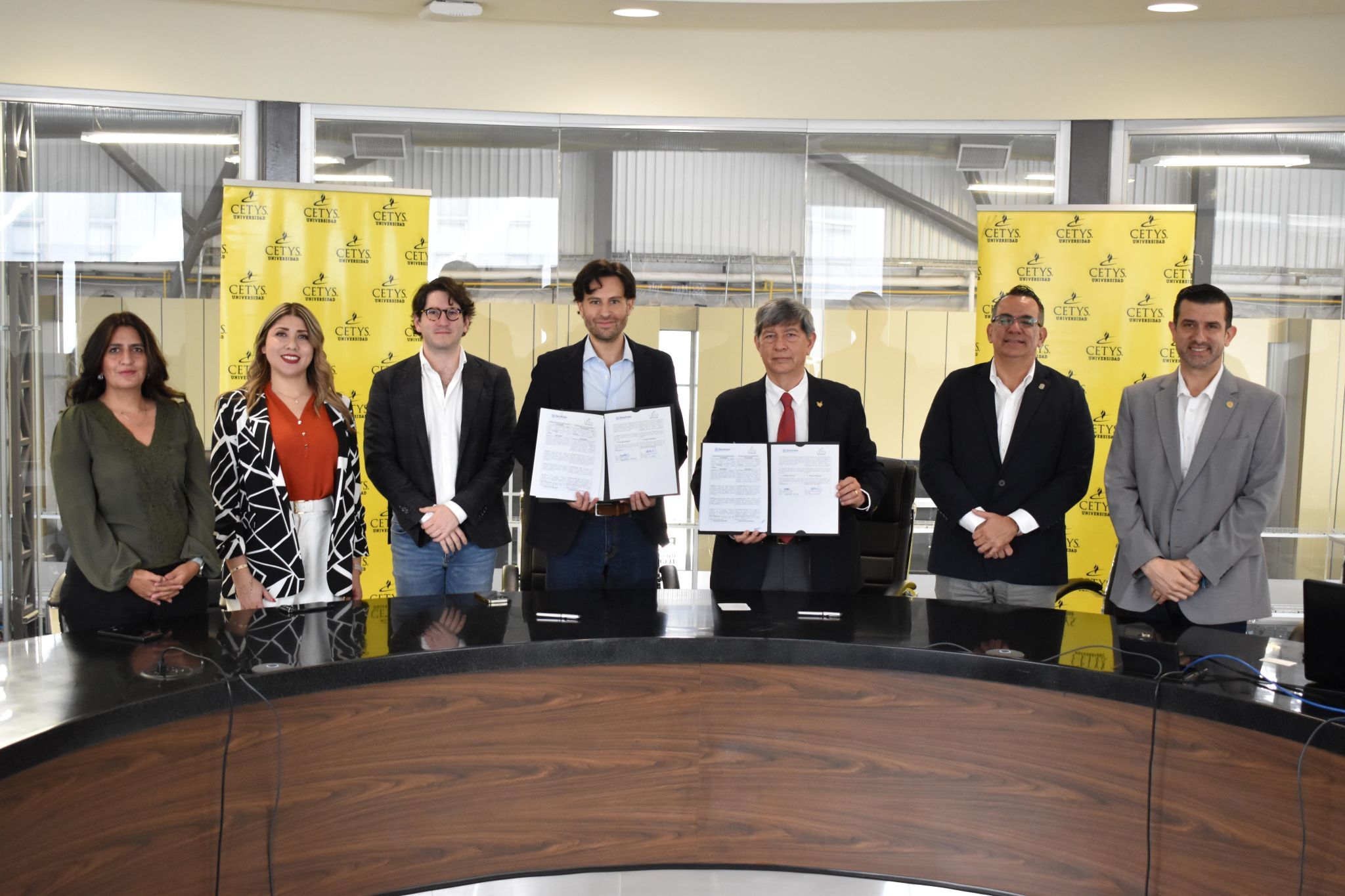
Talent development is a cornerstone of long-term economic growth. The participation of Mario Alberto Curiel Álvarez from the UABC Institute of Engineering, Andrés Daniel Ruelas Martínez from Grupo Educativo 16 de Septiembre, and Claudia Cobieya from CETYS Universidad highlights the essential role of academia in preparing the workforce that will drive Mexicali’s future.
Strong industry-academia collaboration ensures that educational programs remain aligned with evolving labor market needs.
The Importance of Recognition
At Mexicali EDC, there is a strong belief that economic development is built through people and collaboration. Recognizing those who contribute their leadership, expertise, and commitment reinforces a shared vision of growth, competitiveness, and long-term success.
The recognition presented during the Mexicali EDC Annual Results Report demonstrates the positive impact of collaboration across industry, academia, clusters, and the public sector. These collective efforts are essential to positioning Mexicali as a dynamic, competitive, and future-ready industrial hub.